Review the duct
Discuss the accessible sections and the duct material before choosing a brush. Fragile or lined ducts may require a different approach.
MASTER PRO / A SEPARATELY QUOTED METHOD
A rotating brush works inside an accessible duct path to loosen surface deposits. Whether it fits your duct material and access needs an on-site discussion.
WHAT THE SCOPE MEANS
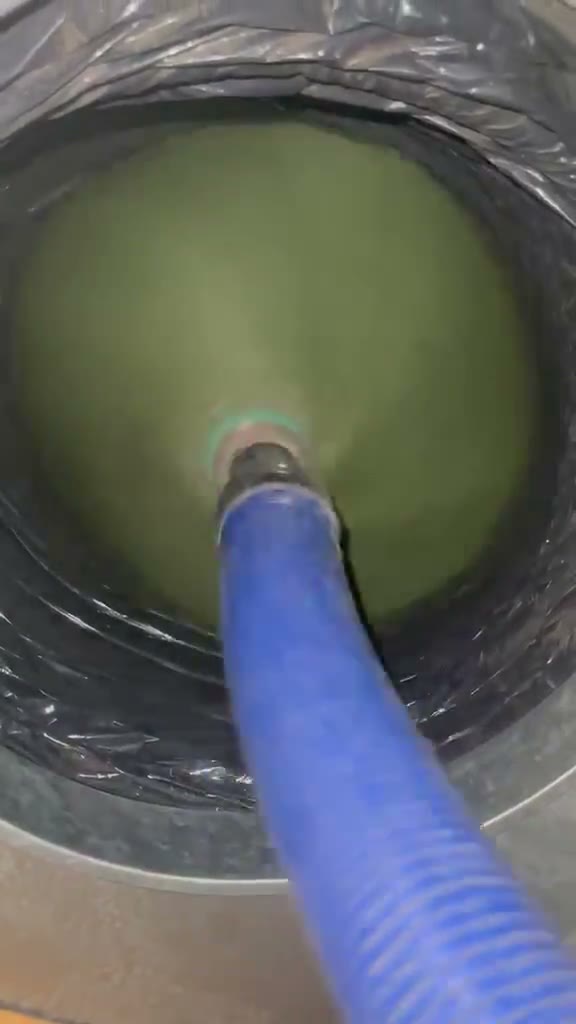
Snake Brush deep cleaning is available by separate quote. This method is not included in the $199 per-AC-unit basic negative-pressure service. The technician checks the duct material and reachable sections, then explains the proposed work before you decide.
THE METHOD
Discuss the accessible sections and the duct material before choosing a brush. Fragile or lined ducts may require a different approach.
Ask which sections will be brushed, how loosened debris will be collected, and what the separate quote includes.
Ask to see accessible cleaned areas and raise any visible debris or access questions before the visit ends.
WHEN TO ASK
Ask about this option when visible deposits call for contact cleaning beyond loose-debris collection, and the duct material is suitable. The technician should explain whether brushing is appropriate for your system.
Read EPA homeowner guidancePRACTICAL QUESTIONS
Ask what can be reached, which method is proposed, and what the written scope includes.
No. The $199 per-AC-unit basic visit uses negative-pressure vacuum collection. Snake Brush deep cleaning has its own scope and quote.
No single brush method fits every duct. Material, lining, condition, and access matter. EPA advises controlled brushing and softer brushes for fiberglass materials; ask the technician what is suitable for your system.
No. Moisture needs its source addressed. A visual impression cannot confirm mold, and this cleaning is not testing or remediation.