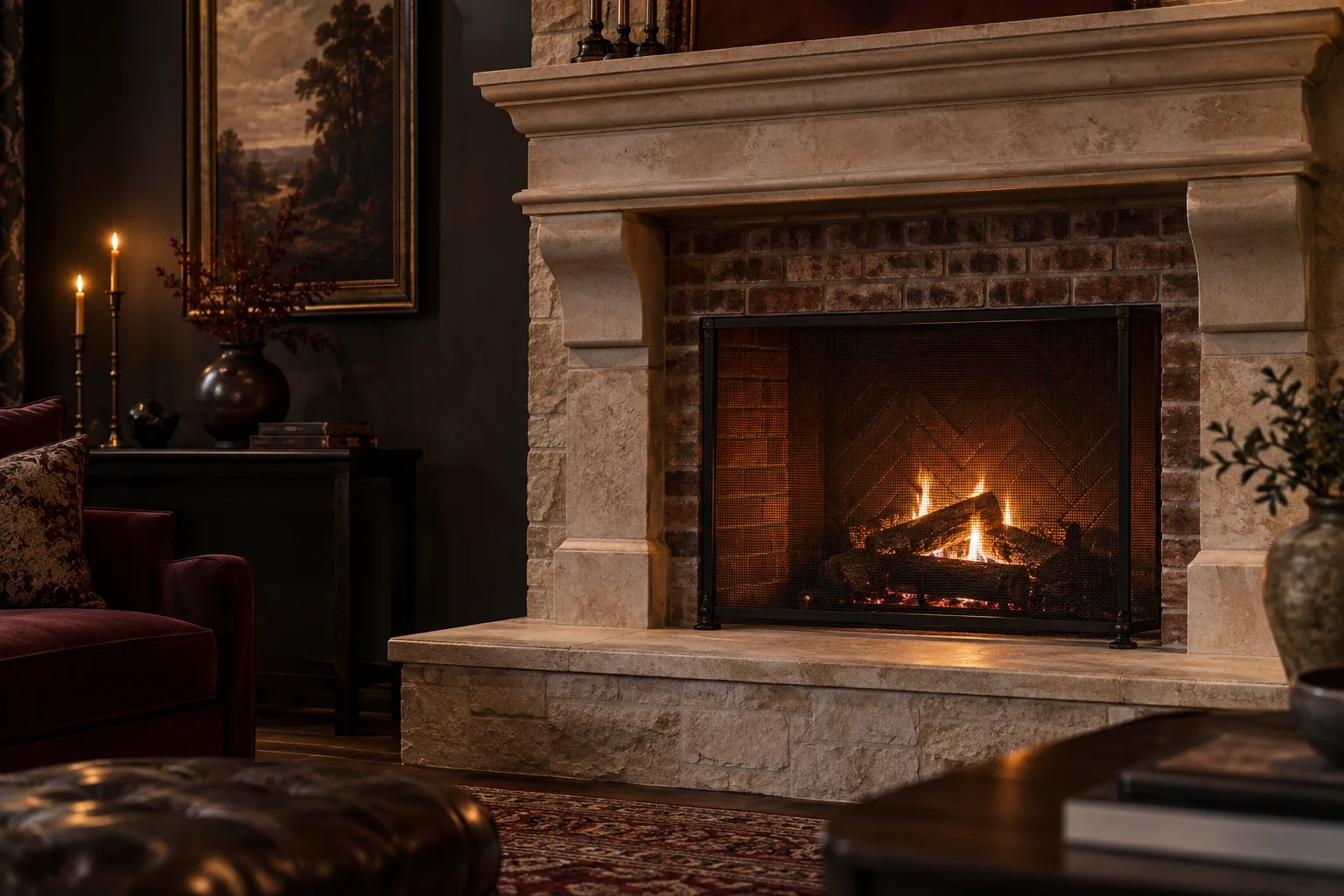
Illustrative residential fireplace as context for chimney and firebox care

Chimney / SERVICE TOPIC

Chimney Damper Problems: Signs, Causes, and Repair Solutions

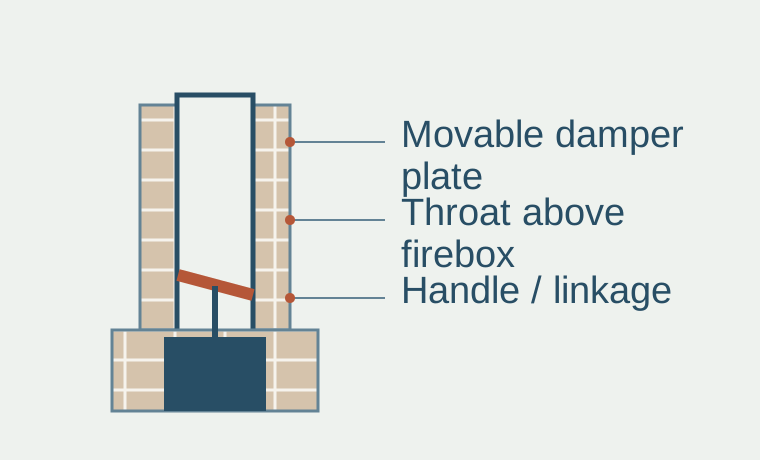
The damper controls an opening in the fireplace venting path. We look at the accessible damper and its movement before discussing cleaning, repair or replacement, because a sticking handle and a damaged component do not necessarily call for the same work.
Damper changes worth having reviewed

  • The handle or operating mechanism sticks.
  • The visible damper does not move as expected.
  • A plate or accessible connection appears damaged.
  • Smoke or drafts prompt a question about the damper position.

How we work through a damper concern

  1. Identify the damper arrangement

    We locate the accessible damper and its operating mechanism, considering the fireplace construction rather than assuming every unit uses an identical plate.

  2. Review movement and condition

    We look at reachable parts, visible deposits and damage. The concern you describe is considered alongside the component itself before proposing work.

  3. Explain the correction being proposed

    You see whether the discussion concerns cleaning, a local repair or replacement. Component fit and available access guide the accepted scope.

  4. Carry out the agreed damper task

    The selected work addresses the identified mechanism or part. We distinguish it from brushing the flue or repairing another fireplace component.

  5. Review the accessible finished component

    We explain the visible movement and work completed, with before-and-after photographs of the area reached and any concern requiring another task.

Damper work and chimney cleaning have different boundaries

The proposal identifies the component and correction included. Addressing an identified damper defect can help restore its intended movement. A working handle alone does not describe the condition of the entire flue or every connected part.

Damper repair or replacement is quoted separately after we see your system. Basic chimney cleaning is $149 per chimney and includes a visual review of accessible areas before brush cleaning. Liner, firebox and smoke-chamber repairs require their own assessment and scope.

What to expect at your fireplace

Show us the control and describe when it sticks or behaves differently. Leave the fireplace unused for the assessment and avoid forcing the mechanism. We explain the reachable component, the proposed task and the findings so you understand what damper work does and does not address.

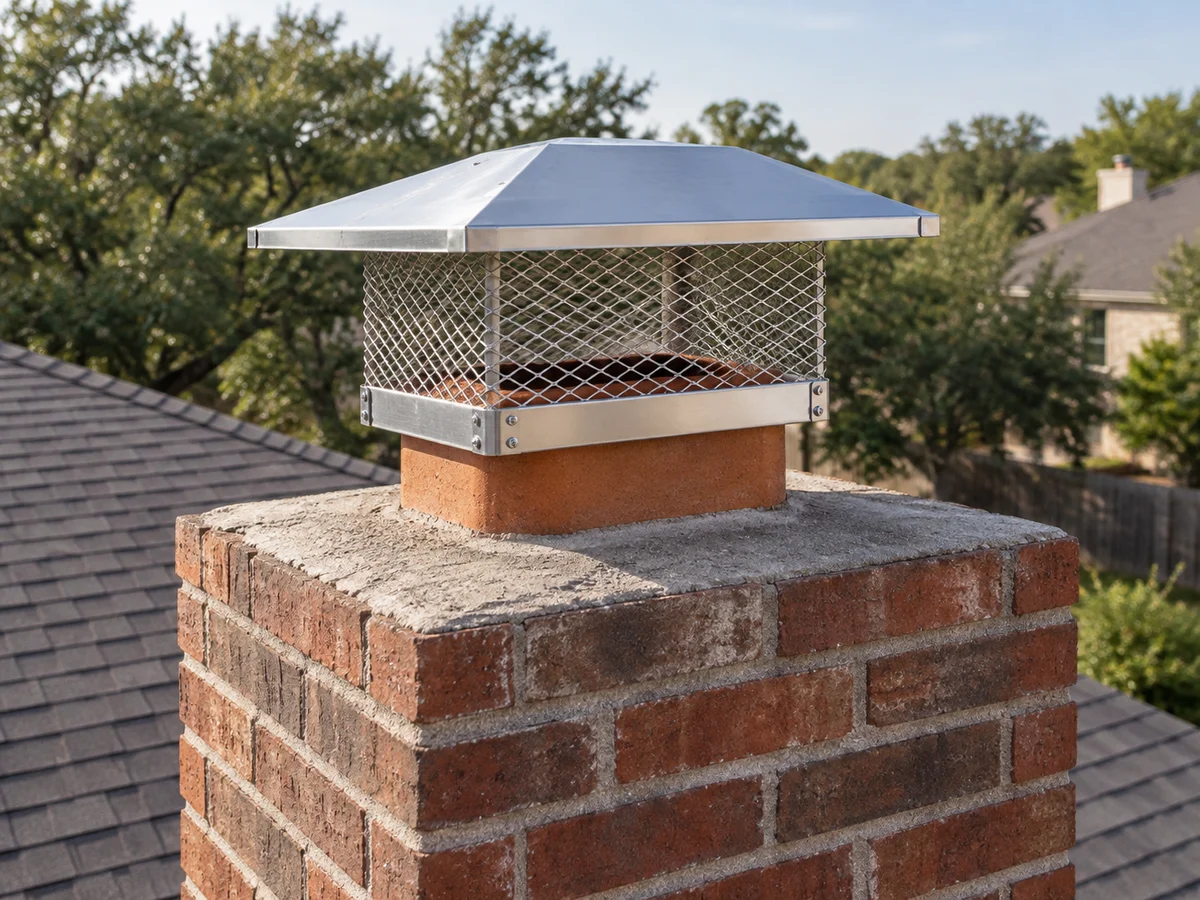
Chimney cap and flue termination

Damper-specific questions

Does a sticking damper always need to be replaced?

Not automatically. Deposits, an operating connection or damage to the part can affect movement. We assess the reachable arrangement before choosing between cleaning, repair and a compatible replacement.

Will changing the damper repair a damaged liner?

The damper and liner are different components. A finding farther along the venting passage needs its own review, rather than be treated as part of replacing the operating mechanism.

Illustrated chimney component diagram: Movable damper plate, Throat above firebox, Handle / linkage

FROM THE CLIENT WORK ARCHIVE

See the difference a service visit can make

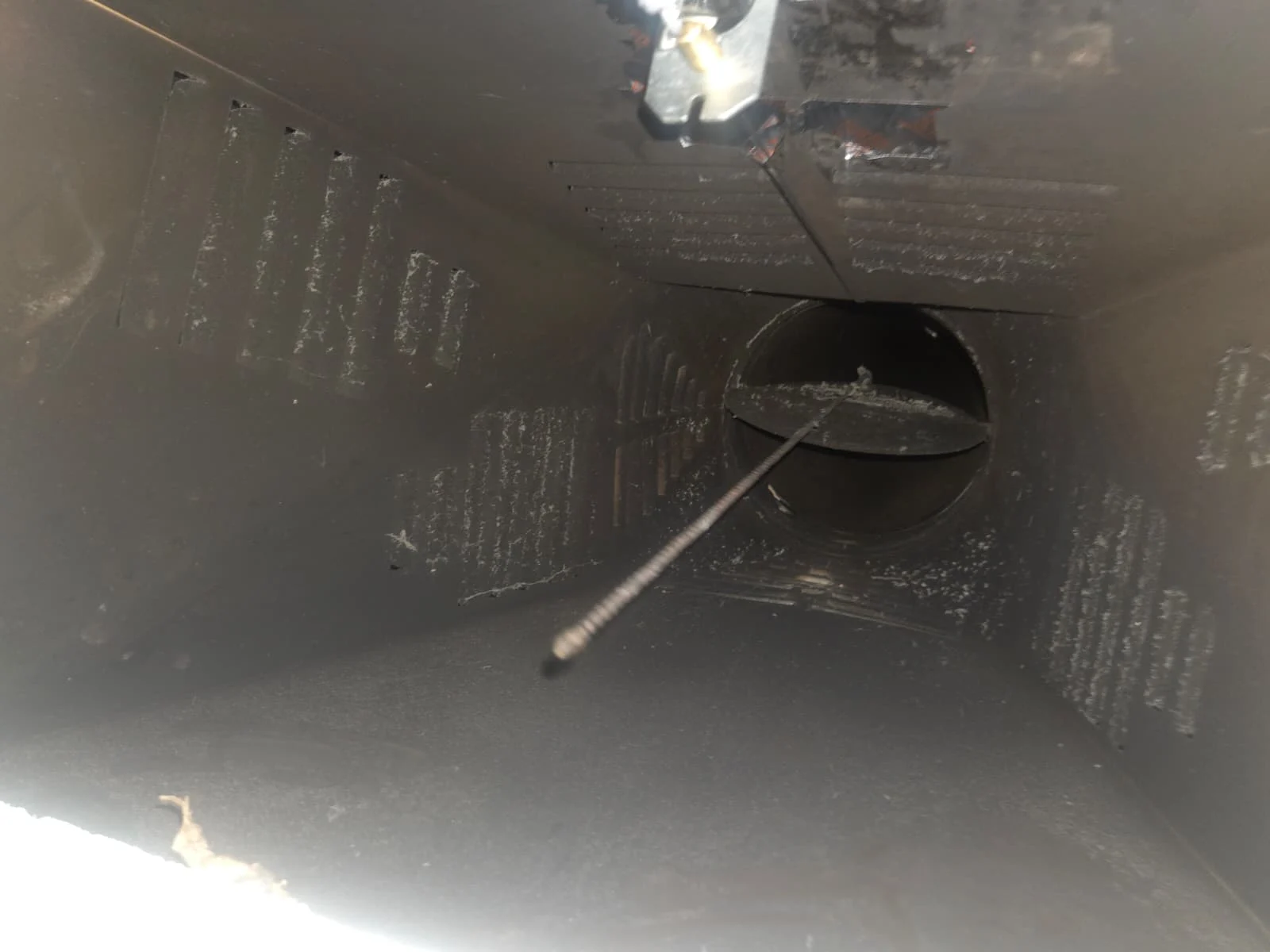
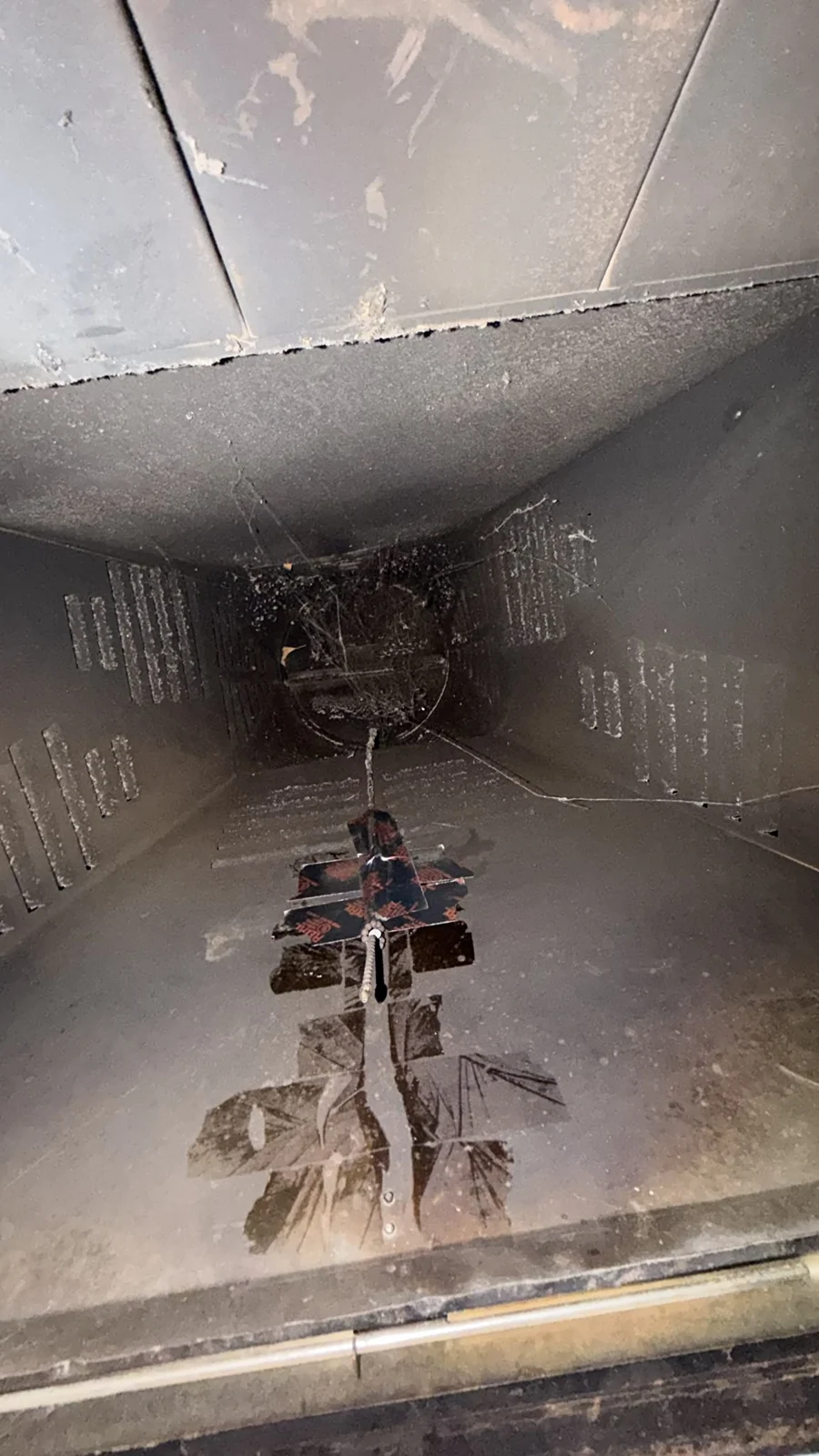
Compare visually matched views of the same pictured area. Work and results vary; repairs and installations have their own scope.

Client photograph of the matching metal damper chamber with clearer visible surfacesAfter
Client photograph of deposits around the fireplace throat and damper areaBefore

Chimney Damper Area Repair

The damaged damper would not open. We replaced it and restored the opening into the chimney passage.

About this service

Talk to Master Pro

Call or WhatsApp Master Pro about the damper movement, fireplace type and visible concern you have noticed.

Call nowWhatsApp