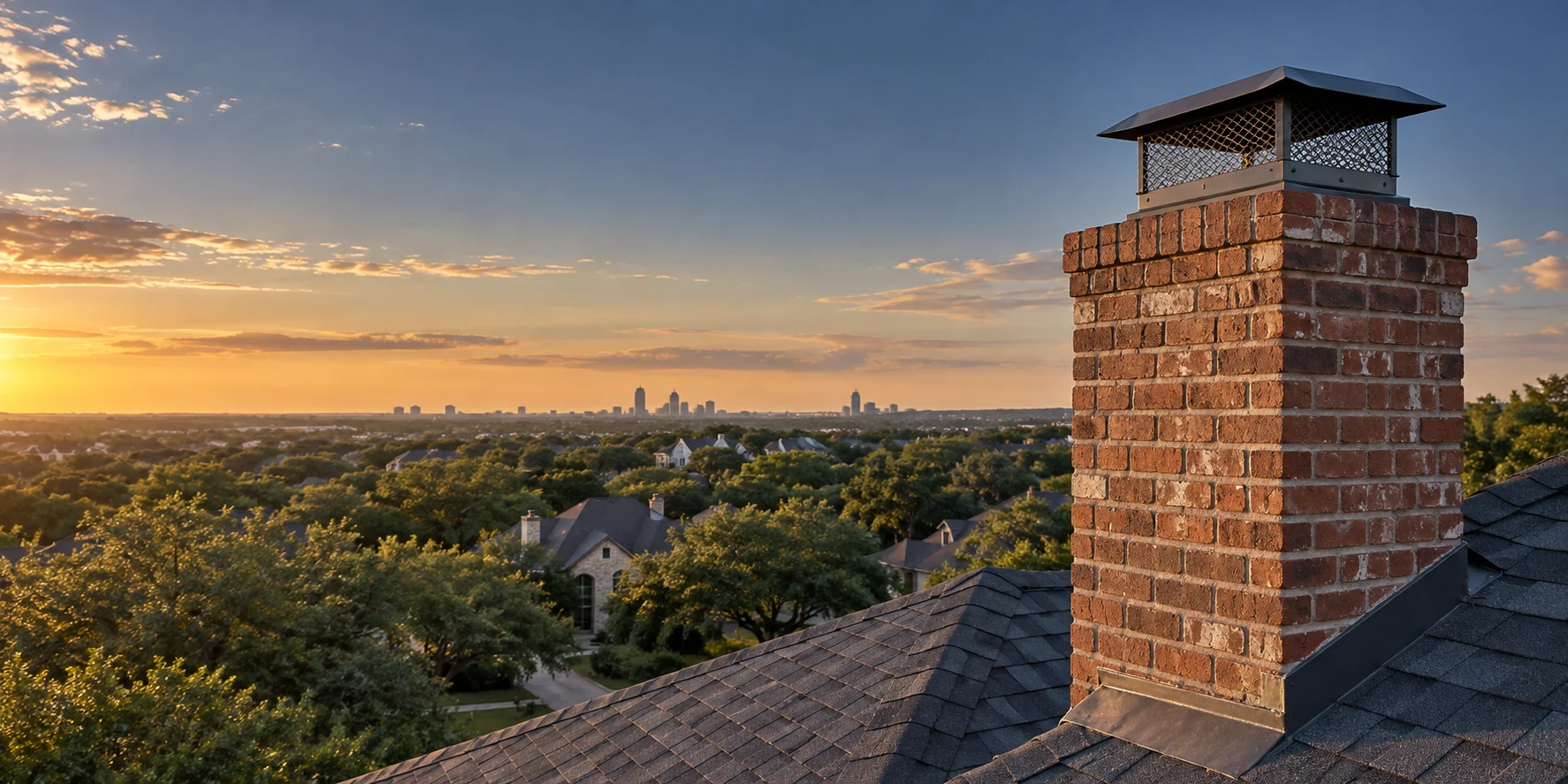
Illustrative brick chimney on a residential roof

Chimney / SERVICE TOPIC

Chimney Animal Removal: Signs, Methods, and Prevention

Sounds or nesting material in a chimney need assessment before cleaning or fitting a protective cap. We look at the reported activity and available access first, so the removal discussion accounts for what is present rather than assume every obstruction is ordinary soot or debris.
Activity signs to describe without disturbing the passage

  • Movement or scratching is heard around the chimney.
  • Nesting material is visible at an accessible opening.
  • An animal has been seen entering the termination.
  • An earlier assessment identifies an entry concern.

How we approach an animal-entry request

  1. Listen to what you observed

    You describe sounds, sightings and their location. We establish the chimney and opening involved without asking you to reach into the passage.

  2. Assess the accessible activity and entry

    We review reachable evidence and access. An animal concern is distinguished from an empty nest or loose material before the task is defined.

  3. Plan an appropriate removal scope

    The proposal depends on the animal, its condition and the access available. We explain the handling task and any additional assistance or access needed.

  4. Complete the agreed removal task

    Removal follows the assessed situation and accepted scope. Cleaning residue or repairing an entry point is identified separately rather than assumed to be included.

  5. Review the opening afterward

    We explain the visible findings, document the pictured area and discuss a suitable cap or other separate work only after the entry concern has been addressed.

Removal, cleaning and protection are different tasks

The removal proposal identifies the entry concern and the work being arranged for it. Reviewing the situation first can help avoid treating an occupied passage like a routine cleaning job. The reachable condition guides the discussion and the proposed next step.

Animal-related removal work is quoted separately after we see your system. Nesting debris removal, chimney cleaning, cap installation and damage repair have their own scopes. We do not present fitting a cover as a substitute for resolving an animal already inside the passage.

What to expect before work is arranged

Tell our office what you heard or saw and where it occurred. Keep the fireplace unused and leave the opening and any nesting material undisturbed for assessment. We explain the situation, access and proposed work before treating the request as a standard brush-cleaning visit.

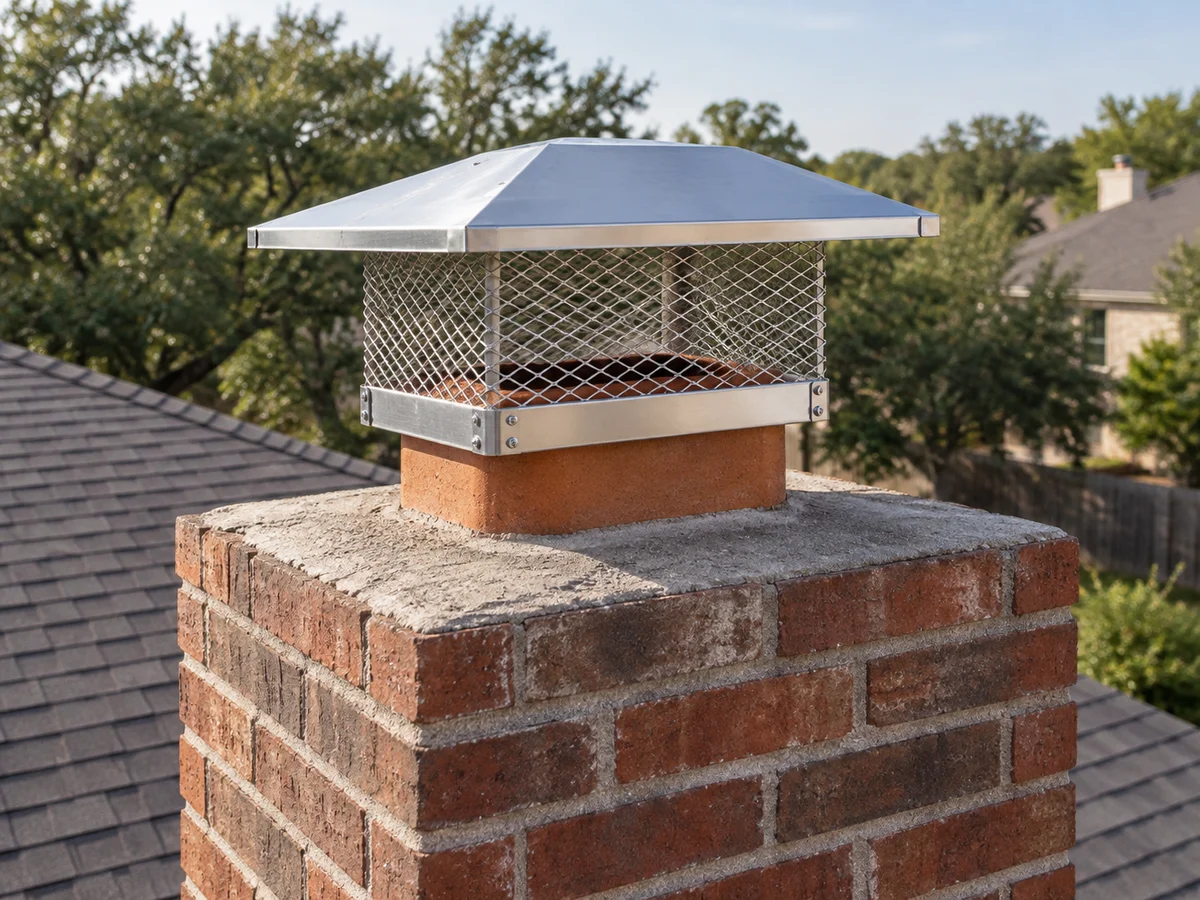
Chimney cap and flue termination

Animal-entry questions

Should a cap be fitted while an animal may still be inside?

The entry concern needs assessment and resolution before a protective fitting is considered. We review the opening and reported activity rather than assume covering it is the removal task.

Does removing nesting material automatically repair the entry point?

Debris removal and correcting an opening are different jobs. We explain the visible entry condition and any separately proposed cap or repair after the assessed removal work.

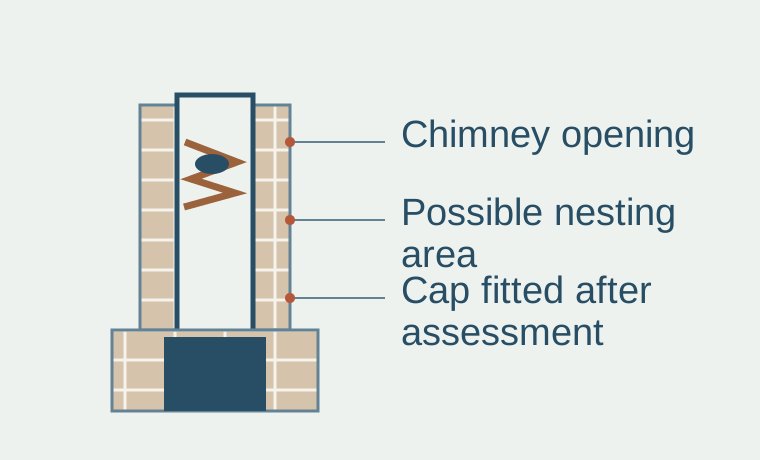
Illustrated chimney component diagram: Chimney opening, Possible nesting area, Cap fitted after assessment

Talk to Master Pro

Call or WhatsApp Master Pro to describe chimney sounds, sightings or nesting material before disturbing the area.

Call nowWhatsApp