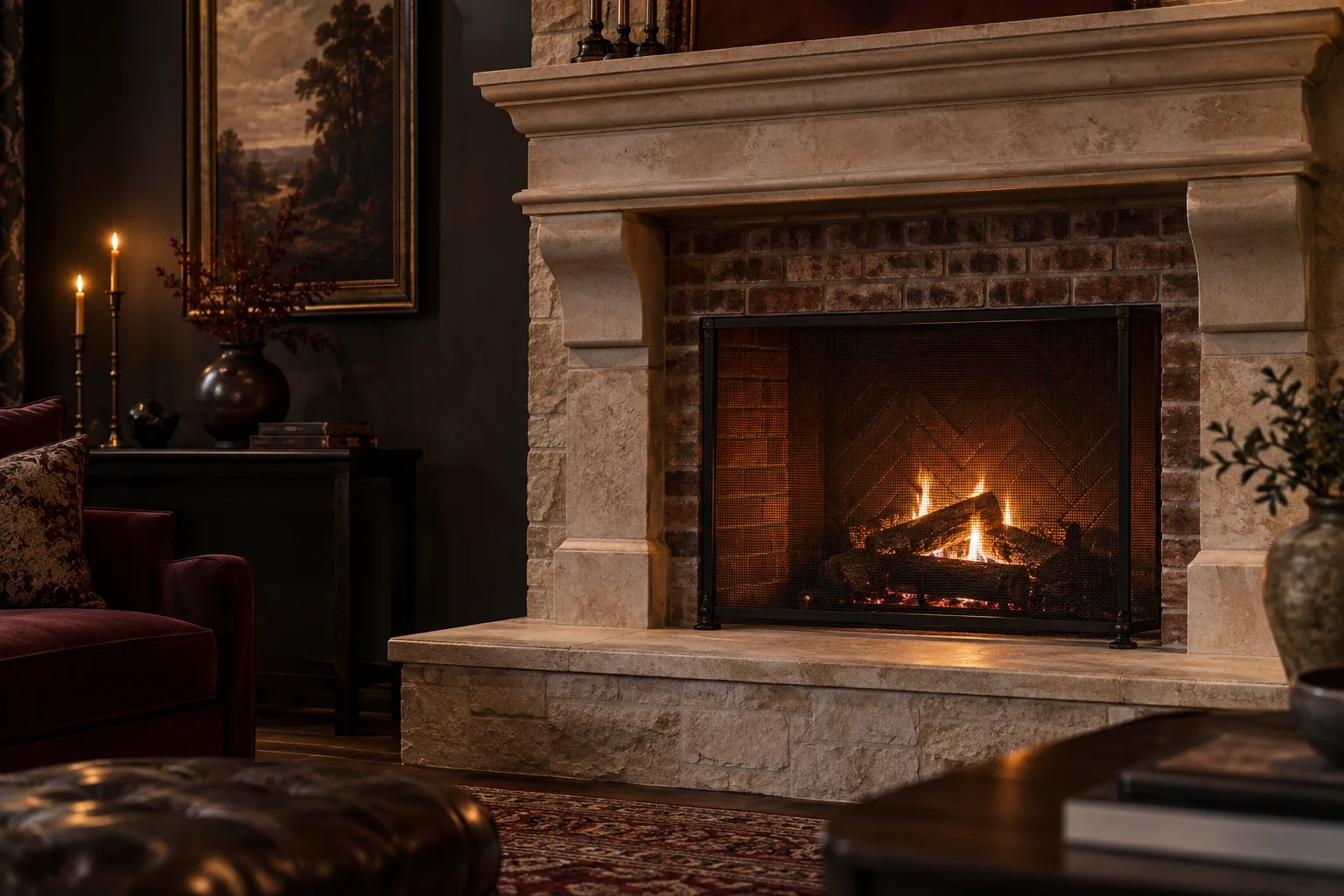
Illustrative residential fireplace as context for chimney and firebox care

Chimney / SERVICE TOPIC

Chimney Smoke Smell: Causes, Fixes, and Prevention

A smoky fireplace odor can have several possible sources, including deposits, airflow conditions or moisture around the system. We start with when and where you notice it, then relate that description to accessible findings instead of assuming a cleaning visit alone explains every odor.
Odor and smoke changes to describe

  • A smell appears after fireplace use or a weather change.
  • The odor is noticeable near the cold firebox.
  • Visible residue or damp staining accompanies the concern.
  • Smoke enters the room during use.

How we review the smoke or odor concern

  1. Listen to the pattern you noticed

    You describe the location and circumstances. A smell in a cold fireplace and visible smoke during use can call for different lines of investigation.

  2. Look at reachable fireplace conditions

    We review accessible residue, the damper area and visible moisture-related signs, keeping the observation tied to the area actually examined.

  3. Consider the venting and connected parts

    The available information and accessible passage help frame the next task. We do not identify a concealed cause simply from an odor description.

  4. Explain the work that fits the finding

    Brush cleaning, damper attention or a further review is discussed according to the condition. Physical repairs and moisture concerns receive separate scopes.

  5. Show what was found and addressed

    We document visible areas before and after agreed work and explain the finding, reach and any concern that still needs another assessment.

Cleaning and identifying an odor source are distinct

Your proposal identifies the accessible review and any deposit cleaning included. Addressing reachable residue can help deal with that particular buildup, but it is not a promise that every smell has the same cause or will disappear after brushing.

Investigation or corrective work beyond basic chimney cleaning is quoted separately after we see your system. Damper repairs, water-entry work and broader venting inspection are separate tasks when indicated. We describe the specific proposal rather than present odor masking as a repair.

What you can expect from the discussion

Tell us when the smell appears, whether the fireplace was in use and any earlier work you know about. If smoke enters the room, leave the fireplace unused pending assessment. We explain the accessible findings and the proposed next task without asking you to test the issue by lighting another fire.

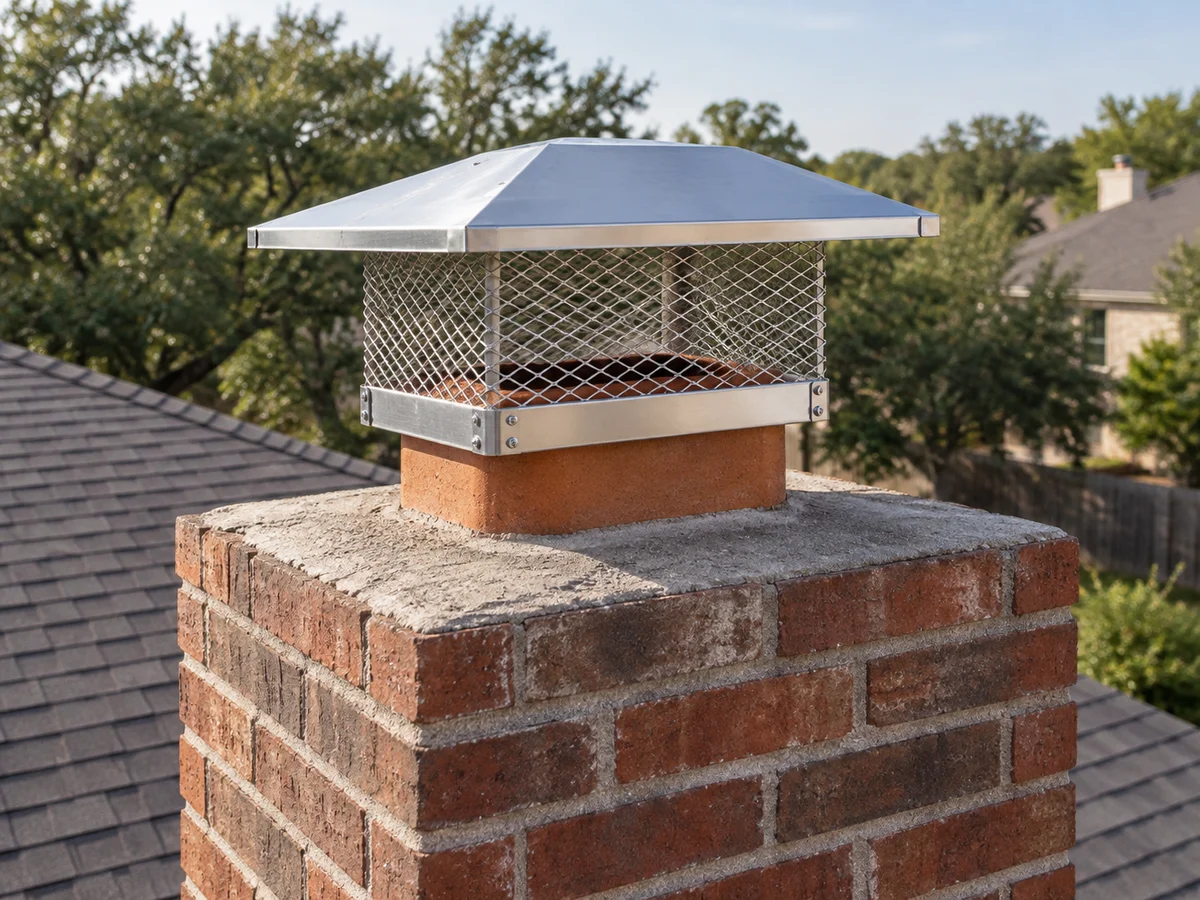
Chimney cap and flue termination

Smoke-smell questions

Can a cold fireplace smell different without being in use?

Yes. The concern can vary with deposits and surrounding airflow or moisture conditions. We review the pattern and accessible findings instead of assume every odor indicates the same event inside the flue.

Will a room fragrance correct a venting concern?

Masking an odor does not change the chimney’s physical condition or exhaust path. We focus the discussion on the accessible finding and the work appropriate to it rather than a cover-up for the smell.

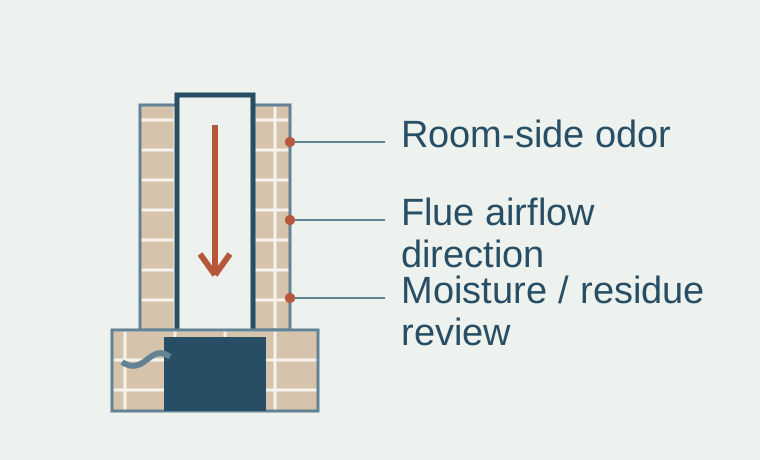
Illustrated chimney component diagram: Room-side odor, Flue airflow direction, Moisture / residue review

Understand the guidance behind the work

These references explain general system principles.

Talk to Master Pro

Contact Master Pro by phone or WhatsApp and describe when the fireplace smell or smoke behavior changes.

Call nowWhatsApp